Functional beverages: when taste meets wellness
A new category of beverages, generally non-alcoholic, is expanding the promises of simplistic “energy drinks” and gradually gaining ground: functional beverages. These products are designed to provide consumers with specific benefits beyond taste. Relaxation, concentration, gentle energy, and emotional balance are becoming key promises, driven by growing demand for more conscious products that are in tune with today's lifestyles.
Nicolas Malfondet
5/13/20253 min read
Functioning ingredients
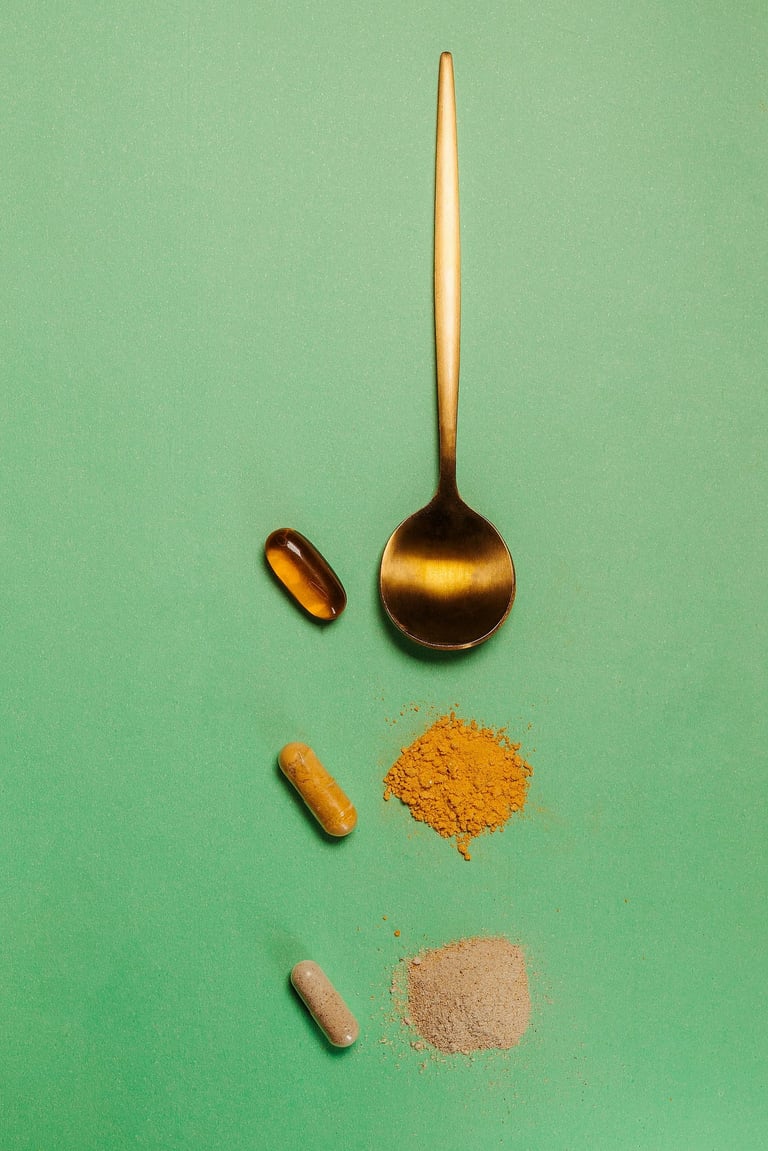
These drinks are made with plant-based ingredients: extracts from aromatic plants, roots, flowers, and even mushrooms. Among the most commonly cited ingredients, adaptogens and nootropics play a central role.
Adaptogens are plants or natural substances known to help the body better adapt to physical or emotional stress by promoting a return to balance, such as ginseng or ashwagandha.
Nootropics, on the other hand, are associated with cognitive functions: concentration, mental clarity, memory, and gentle alertness. They include amino acids such as L-theanine or, more commonly, caffeine. In a beverage, their appeal lies as much in their perceived effect as in the narrative: they help create a mental and emotional experience consistent with the moment of consumption.
The goal of these drinks is not to replicate alcohol, but to build a new sensory experience. The challenge is to balance perceived effectiveness and taste pleasure without falling into an overly medicinal approach.


Usage patterns are changing
Functional beverages are finding their place in moments that were previously under-exploited: end of the day, alcohol-free after-work gatherings, relaxing at home, professional events, and wellness activities. They respond to a desire for moderation, where people want to enjoy themselves without excessive stimulation. This diversification of consumption moments significantly expands the market potential.
For brands, functional beverages represent a strong strategic opportunity. They enable the creation of a distinctive identity, the opening of new channels (bars, concept stores, hotels, wellness), and the fulfillment of deep societal expectations. More than just a fad, this category is part of a lasting transformation in consumption: drinking less, but better, and above all, drinking with intention.


Take care of your microbiota
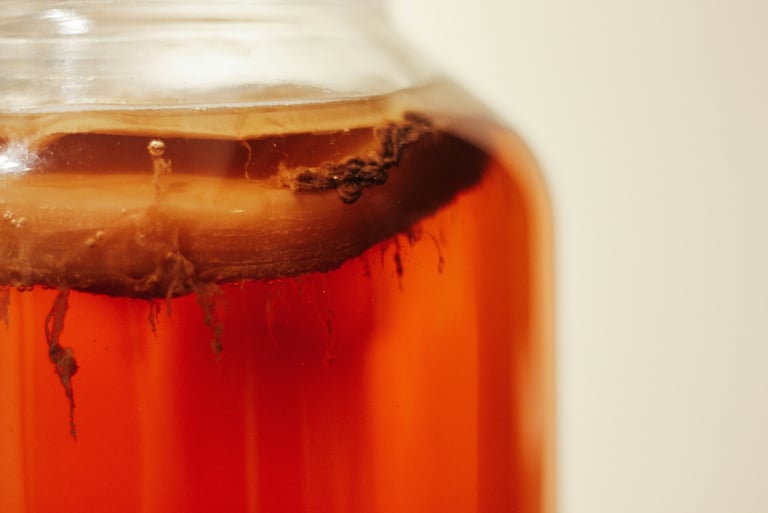
Another increasingly popular trend is gut health. Kombucha, kefir, fermented drinks, prebiotic fibers, mild vinegars, and tart juices are all part of this trend, highlighting the link between digestion, general well-being, and emotional balance. Here again, the challenge is to avoid overly technical or medicalized discourse: the most convincing beverages are those that incorporate these benefits in a discreet manner. Microbiota is thus becoming a new frontier for innovation in non-alcoholic beverages, at the crossroads of pleasure, tradition, and science.
Whatever your wellness goal, there is now a functional beverage for it!
Cannabis drinks?
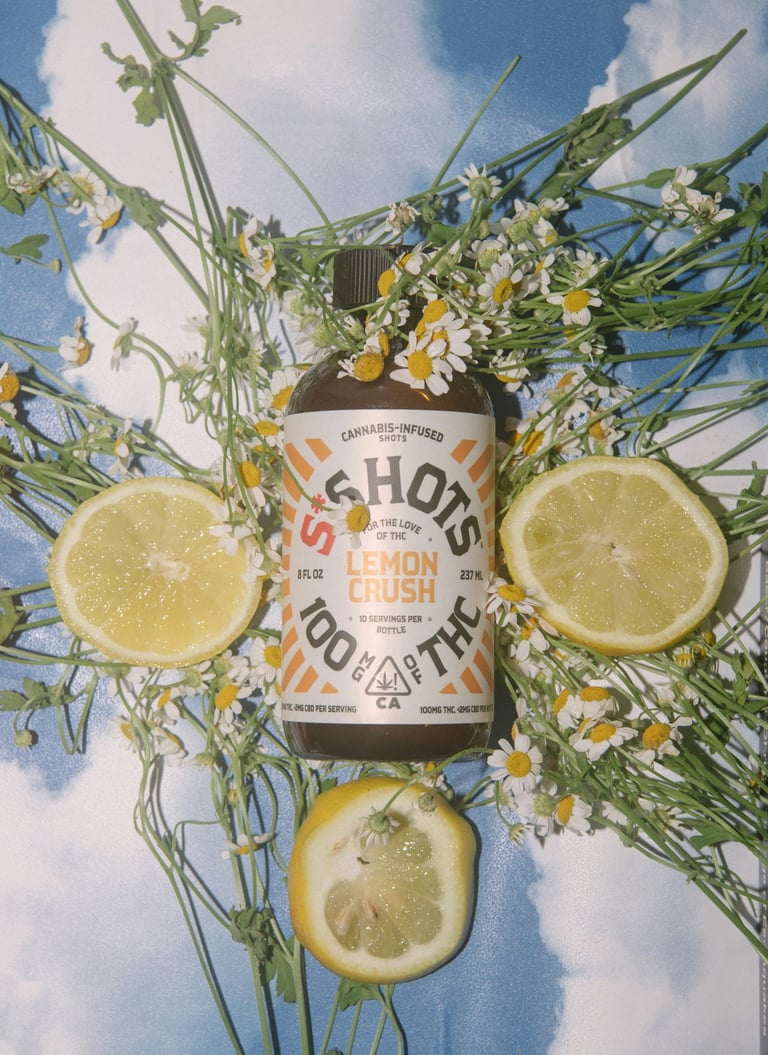
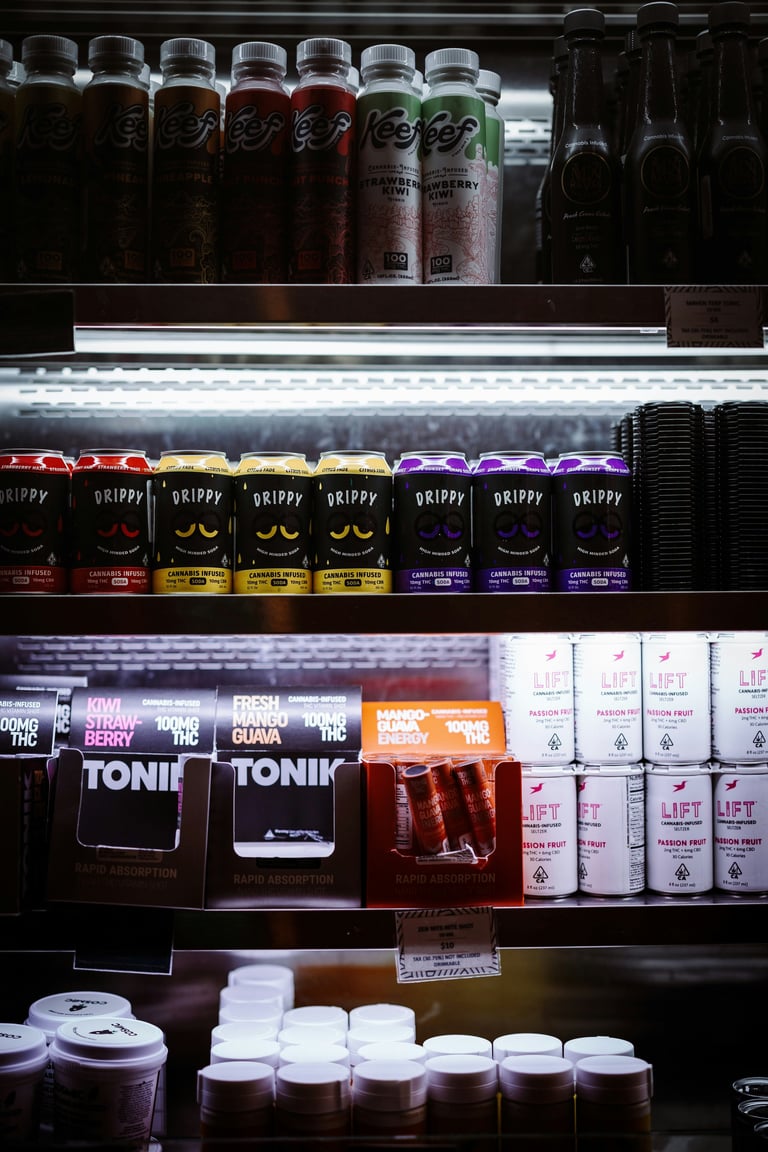
The content and promises of functional drinks vary significantly depending on the market. In the US, formulations are often more daring, with clearly identified ingredients: exotic adaptogens and nootropics, functional mushrooms, cannabinoids such as CBD and even THC (where regulations allow), and a strong focus on performance, productivity, and stress management.
In Europe, the approach remains more measured and gastronomic: local plants, infusions, light fermentation, with more subtle communication around well-being and balance.
Two cultures, two rhythms, and different opportunities depending on the brand's positioning.